In the fast-advancing pod device realm (vaping, coffee brewing, portable warming), the core heating mechanism directly impacts user experience, performance, and competitiveness. Sleek and user-centric, pods need heating solutions balancing efficiency, stability, and flexibility. With ceramic, mesh, induction, and resistive options, understanding your pod’s use, audience, and core values is key. This guide breaks down these technologies, their pros/cons, and pairing insights.
1. Ceramic Heating Technology: The Benchmark for Consistency & Purity
Ceramic heating is vital for high-end pods (e-vapor, cannabis vaporizers), offering steady heat and pure flavor via a ceramic base with a metallic circuit, eliminating hotspots and extending pod life.
Key benefits: chemical inertness (preserving flavor) and precise temperature control. PMI’s Veev One and CCELL use ceramic cores for consistent taste, leak reduction, and burnt puff prevention.
Best suited for: Premium pods where flavor purity is critical; ideal for users valuing quality and a smooth experience.
Limitations: Slower heat-up than mesh/resistive; fragile if mishandled.
2. Mesh Heating Technology: Efficiency & Flavor Richness for Daily Use
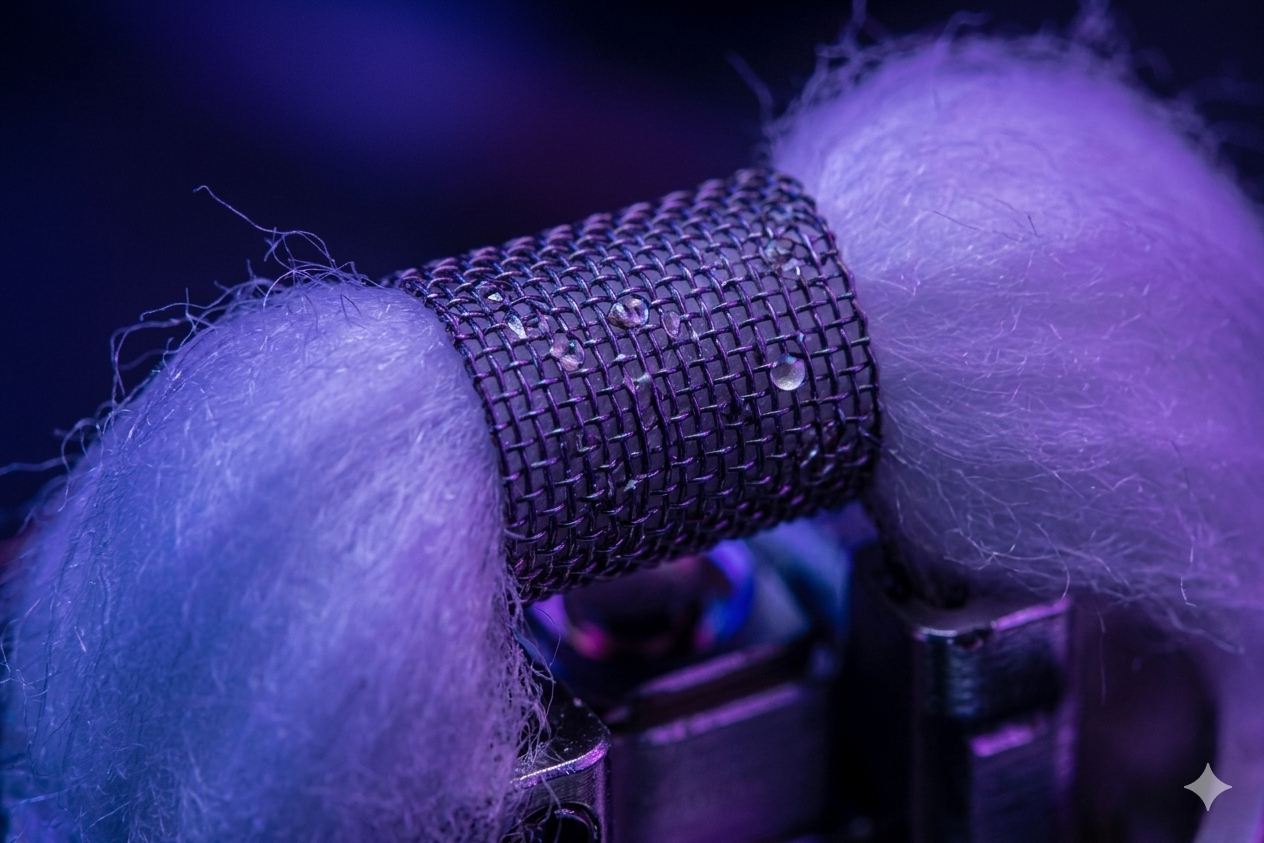
Mesh heating is popular in mid-to-high-end vaping pods, combining fast heat-up and rich flavor via a porous mesh, expanding contact area for better vapor and flavor.
Vaporesso’s Corex (Xros 4, Xros Mini) and PMI’s Veev Now Ultra use mesh for low power, superior flavor, and portability.
Best suited for: Refillable, daily-use pods; ideal for balancing performance and affordability.
Limitations: Clogging without maintenance; higher battery use; faster degradation with heavy use.
3. Resistive Heating Technology: Affordability & Durability for Entry-Level Pods
Cost-effective resistive heating suits entry-level pods, using a resistive wire to generate heat, simplifying production and lowering costs.
Key advantage: high durability for rough handling; fast heat-up and low power use extend battery life. Common in budget pods/warmers.
Examples: Budget entry-level vaping pods, offering reliable use for first-time/price-sensitive users.
Best suited for: Entry-level, budget pods; ideal for heavy daily use requiring durability.
Limitations: Less precise temperature control (inconsistent flavor); flavor alteration over time—unsuitable for premium pods.
4. Induction Heating Technology: Advanced Precision for High-End Pods
Induction heating is cutting-edge for high-end pods, using electromagnetic fields to heat the chamber directly, ensuring fast, uniform heating and minimal heat loss.
Key benefits: precise temperature control (ideal for premium coffee/cannabis pods), high efficiency, and long lifespan. Complex and costly, limited to premium products.
Best suited for: Premium pods targeting discerning users; ideal for market differentiation.
Limitations: High production costs; expensive repairs; unnecessary for basic pods.
5.How to Choose the Right Heating Technology for Your Pod Series
Align technology strengths with product goals and audience: premium flavor pods need ceramic/induction; entry-level pods need resistive. Price-sensitive users prioritize affordability; discerning users value precision.
Factor in price: mid-range pods suit mesh; luxury pods use induction. Consider practical factors (battery, longevity, maintenance).
In conclusion, the right heating technology elevates your pod series. Understanding each technology’s strengths and use cases ensures an informed, competitive decision.